 by
by An unsuspecting man with a suspected overdose had to wait three and a half hours for an ambulance in Glasgow.
Volunteer Soup Kitchens at the Homeless Project. Scotland Called 999 after finding the suspected victim on Argyle Street and managing it with Nalakson.
When he did not respond to large quantities of returning medication, volunteers were told that paramedics would take three-and-a-half hours to reach him - which they said would be “too late.”
After taking matters into his own hands, the chairman of the charity, Colin McEnice, described the “tragic” incident that took place last evening.
He said: “Our volunteers found a man who was unconscious and in a deep sleep.
“They tied him up to wake him up, but he wasn’t responding. He was showing signs of overdose so they arranged for Nalaxon.”
“Eventually he regained consciousness and started talking but then he became irresponsible.
“Volunteers gave him a second tube of over-the-counter medicine and while it was running, my colleague was dialing 999 for an ambulance on the phone.
“They were sniffing his ears and trying to react, but he was completely unconscious.
“The call handler told my volunteer that he was too busy at the time to deliver the ambulance immediately and it would take him three and a half hours to get there.”
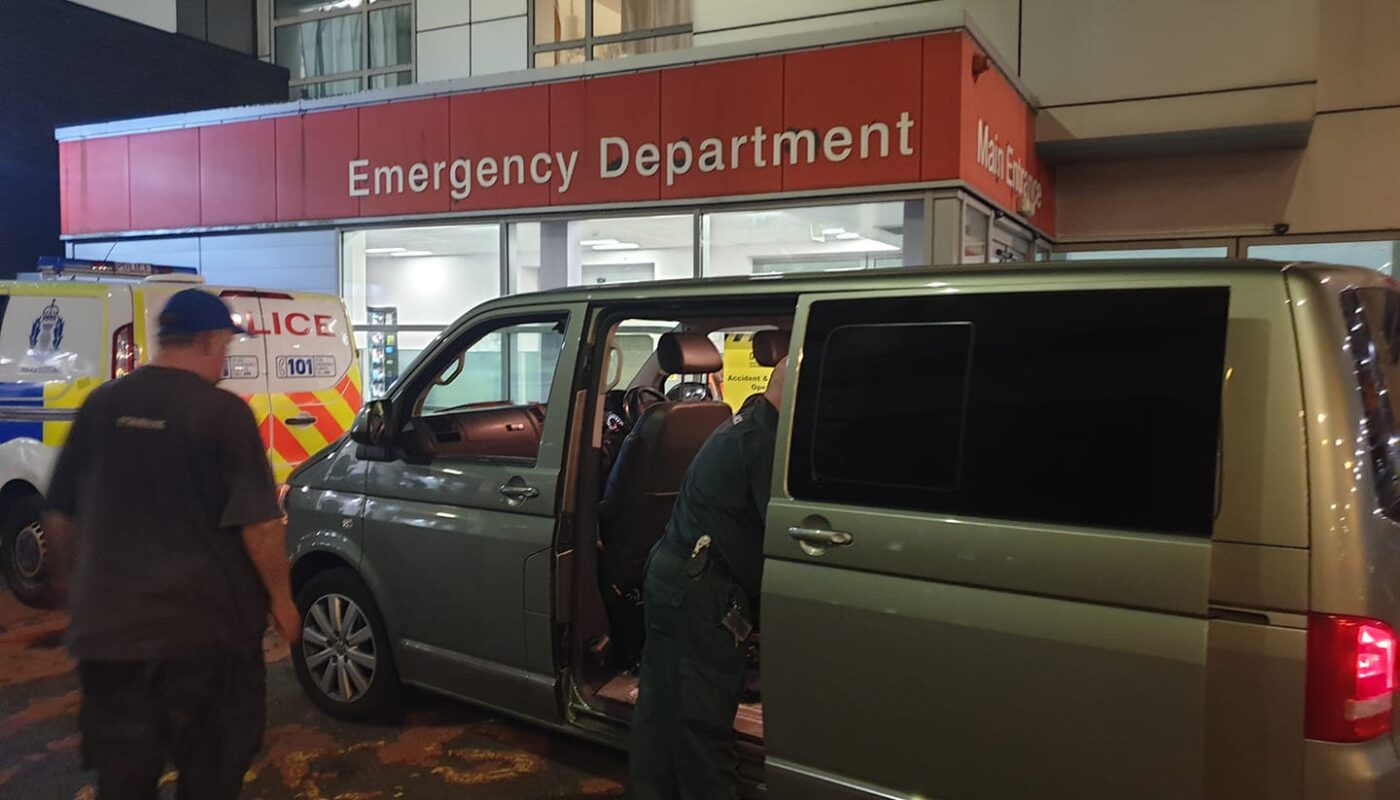
A group of five people worked to get the man - who was “deadweight” - into a charity van and into the Glasgow Royal Infrastructure Accident and Emergency Department.
“We had to make a decision,” Colin said.
“Either we can take him to the hospital ourselves or we can leave him for more than three hours.”
Naloxone - which reverses the effects of opioid drugs - works by removing opioids from receptors in the brain where they work and prevent them from coming back.
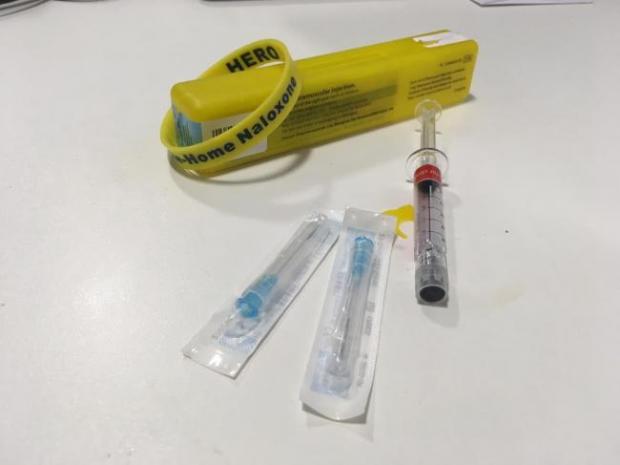 Niloxone.
When enough medicine is given, breathing will return to normal - saving an individual from death.
Colin added: “The important thing is that when we were trained to manage Nalaxon, we were taught that time is of the essence.
“If those who demand medicine are left for too long, they can get into cardiac arrest. It was going to be three and a half hours too late. He would die.”
“The whole ordeal was painful for our volunteers. We had a man’s life in our hands. He could have died at any moment.”
The charity leader has been left fearful that his volunteers will face a similar challenge in the future.
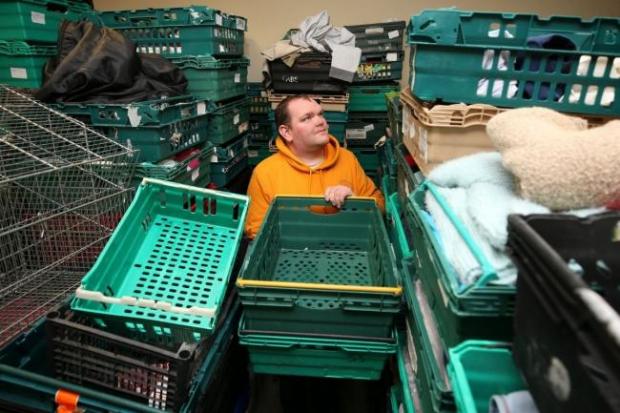 Colin McEnice, chairman of the Homeless Project Scotland.
He added: “What if we didn’t have a van last night? The consequences would have been fatal, he would have just died. Did we have to wait three and a half hours to collect his body?”
“We don’t blame the ambulance service, they are pushed beyond imagination. The question is, where are the resources?”
“It bothers us as a charity if we are left with such a scenario again. We are afraid of what will happen next.
The Glasgow Times understands that a volunteer who dialed 999 last night was called at 5.11am this morning to notify that the ambulance was heading to Argyle Street.
This comes after our sister’s title, The Herald, a weak pensioner died after an ambulance arrived at his Dumbrick flat on Monday after a 40-hour wait.
Gerard Brown’s son’s partner called emergency services after his back and arms were amputated after he fell to the floor of his property at the age of 65.
Paramedics arrived at 3 a.m. Wednesday, by which time Mr. Brown had passed away.
Today, Prime Minister Nicola Sturgeon announced that she was seeking military assistance for Scotland’s ambulance service as patients waited for hours for treatment.

Talking about the questions of the first minister, he said: “The pressure of our ambulance is working under severe pressure at the moment, mostly due to cowardice.
“I would like to take the time to thank my paramedics and technicians for their hard work in this difficult situation.
“While they are responding to these challenges, I recognize that some people are not getting the standards they deserve, or the ambulance service that wants to provide them.
“I apologize to anyone who has suffered or suffered an unacceptably long wait.”
He added: “I can confirm that this includes consideration of receiving targeted military assistance to help deal with short-term pressure points.
“Such assistance is already being provided to ambulance services in England and, of course, we have received military assistance in the last 18 months for other aspects of the epidemic.”
A spokesman for the Scottish Ambulance Service said: “We are deeply saddened by the delay in reaching this patient. Our staff is working hard to get patients as fast as possible and we are continuing to work with the Scottish Government and others. Health The boards have to try to overcome some of the challenges.